
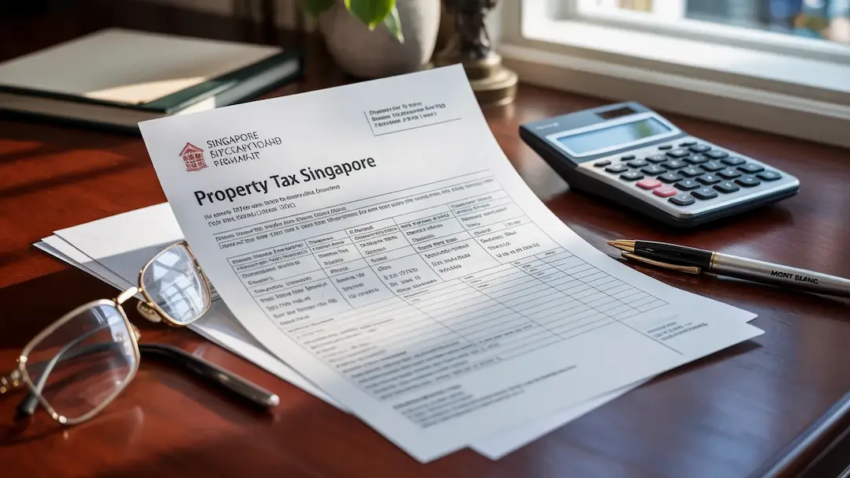
How Property Tax Singapore Affects Property Investment Returns
Investing in real estate has long been a popular wealth-building strategy, but many investors overlook one key factor that can significantly influence profitability—property tax Singapore. While rental income and capital appreciation often take center stage, property taxes quietly shape your true return on investment (ROI).
In this guide, I’ll break down how property taxes work in Singapore, how they directly impact your investment returns, and practical strategies—based on real experience—to help you maximize profits.
Content
Understanding Property Tax in Singapore
Before diving into returns, it’s essential to understand the basics. Property tax in Singapore is calculated based on the Annual Value (AV) of a property, which represents the estimated yearly rental income.
The system follows progressive Singapore property tax rates, meaning higher-value properties are taxed at higher rates. More importantly, there’s a clear distinction between:
- Owner-occupied property tax Singapore (lower rates)
- Non owner occupied tax Singapore (higher rates for investors)
If you’re investing in rental property, you’ll fall under the non-owner-occupied category—something many first-time investors underestimate.
How Property Tax Is Calculated Singapore

The formula is straightforward:
Property Tax = Annual Value (AV) × Applicable Tax Rate
However, due to Singapore tax bands property, the rate increases progressively as the Annual Value rises.
For example:
- Mid-range properties may fall into moderate tax brackets
- Luxury properties often attract significantly higher tax rates
Understanding how property tax is calculated Singapore is critical because it gives you a realistic picture of your net income—not just your gross rental yield.
Impact of Property Tax on Investment Returns
1. Reduction in Net Rental Yield
Many investors initially calculate returns based on gross rental income. But property tax directly reduces your earnings.
Example:
- Annual Rental Income: $72,000
- Property Tax: $12,000
- Net Income: $60,000
This difference highlights why relying only on gross yield can be misleading. Keeping track of latest property tax rates Singapore 2026 helps avoid such surprises.
2. Higher Tax Burden for Investors
Investment properties are subject to non owner occupied tax Singapore, which is significantly higher than owner-occupied rates.
This impacts:
- Buy-to-let investors
- Multiple property owners
- High-end real estate portfolios
In my experience, many investors only realize the difference after their first tax bill—by then, their projected ROI has already changed.
3. Influence on Property Selection
Smart investors don’t just look at location or price—they evaluate tax efficiency.
When exploring premium developments like One Sophia Singapore, experienced buyers assess:
- Expected Annual Value
- Tax bracket positioning
- Net yield after tax
This approach ensures that the property aligns with long-term financial goals.
Real-Life Case Study: When Tax Changes the Numbers
Let me share a real scenario from my experience.
An investor purchased a high-end condo expecting strong rental returns.
Initial Expectations:
- Purchase Price: $2.2M
- Monthly Rent: $7,500
- Gross Yield: ~4.1%
Everything looked promising. But after applying the IRAS property tax guide:
- Annual Value: ~$90,000
- Tax Rate: Higher non-owner-occupied bracket
- Annual Property Tax: ~$16,000
Actual Outcome:
- Net Yield dropped to around 3.2%
- Additional costs (maintenance + tax) reduced profitability
The investor later admitted they hadn’t fully considered owner occupied vs non owner occupied property tax Singapore differences.
This is a classic example of why tax awareness is crucial.
Investment Decisions Beyond Showflats
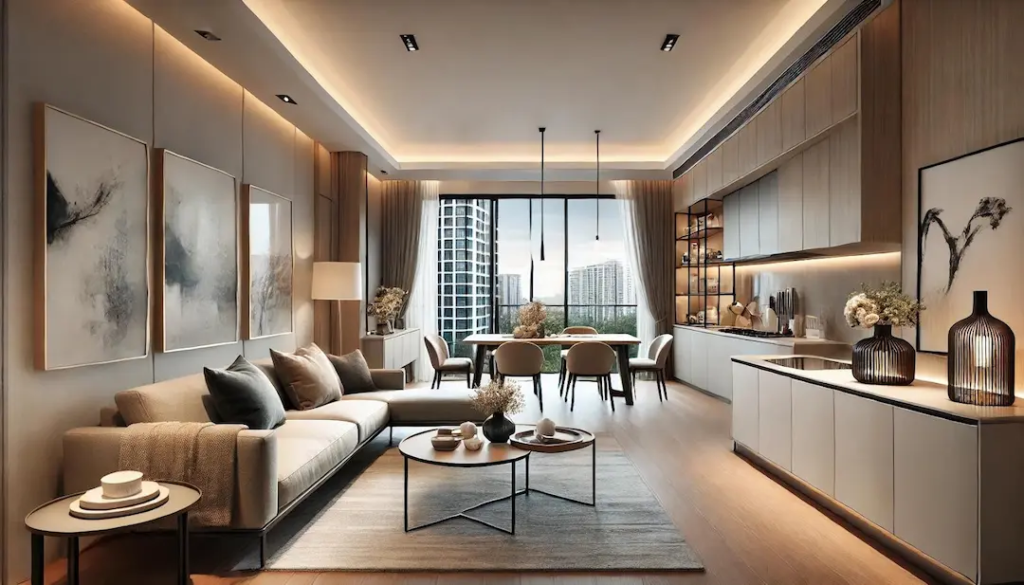
While visiting developments like the Lucerne Grand Showflat can give you insights into design, pricing, and lifestyle, smart investors go a step further.
They ask:
- What will the Annual Value likely be?
- Which tax band will apply?
- How will this affect long-term returns?
This deeper analysis separates informed investors from speculative buyers.
Property Tax and Long-Term ROI
Property tax doesn’t just affect rental income—it also influences long-term investment performance.
Capital Appreciation Impact
Higher tax rates can:
- Reduce demand for certain high-value properties
- Shift investor interest toward tax-efficient assets
- Influence resale value
Understanding singapore residential property tax bands explained gives you an edge in predicting these trends.
How to Reduce Property Tax in Singapore Legally
While you can’t avoid taxes, you can optimize them.
1. Review Annual Value
If your property’s AV seems too high, you can appeal for reassessment.
2. Take Advantage of Rebates
Watch for property tax rebate Singapore announcements, which can offset costs.
3. Choose Tax-Efficient Properties
Properties with balanced rental value and purchase price often deliver better after-tax returns.
4. Plan Your Portfolio Wisely
Owning multiple properties? Structuring your portfolio strategically can help manage tax exposure.
Staying Compliant with IRAS
Timely payment is crucial. Missing deadlines can result in penalties that further reduce returns.
Be aware of:
- Property tax due dates Singapore
- Available IRAS property tax payment methods Singapore (GIRO, online banking, etc.)
Efficient management ensures your investment remains profitable.
Practical Tips from Experience
Over the years, I’ve seen what separates successful investors from the rest. Here are some actionable tips:
- Always calculate net yield, not just gross
- Factor in taxes before buying—not after
- Stay updated on policy changes
- Use conservative rental estimates
- Focus on long-term sustainability, not short-term gains
Final Thoughts
Understanding property tax Singapore is not optional—it’s essential for any serious investor.
By learning:
- how to calculate property tax singapore step by step
- The difference between tax categories
- Strategies to optimize tax exposure
…you can make smarter, more profitable decisions.
In my experience, the most successful investors aren’t those chasing the highest rental income—they’re the ones who fully understand the financial ecosystem, including taxes.
FAQs
What is annual value in Singapore property tax?
It is the estimated annual rental income of your property, determined by authorities for tax purposes.
When to pay property tax Singapore?
Property tax is typically due once a year, with deadlines set by IRAS.
How to reduce property tax in Singapore legally?
You can appeal your Annual Value, take advantage of rebates, and invest strategically.
Why is non-owner property tax higher?
Because non owner occupied tax Singapore is designed to apply higher rates to investment properties.

My name is Wilson Michel. I post about home improvement ideas and how to make your home look beautiful and liveable. I hope my posts will help you with your DIY projects!




Leave a Reply